Paint-can agitation-time verification
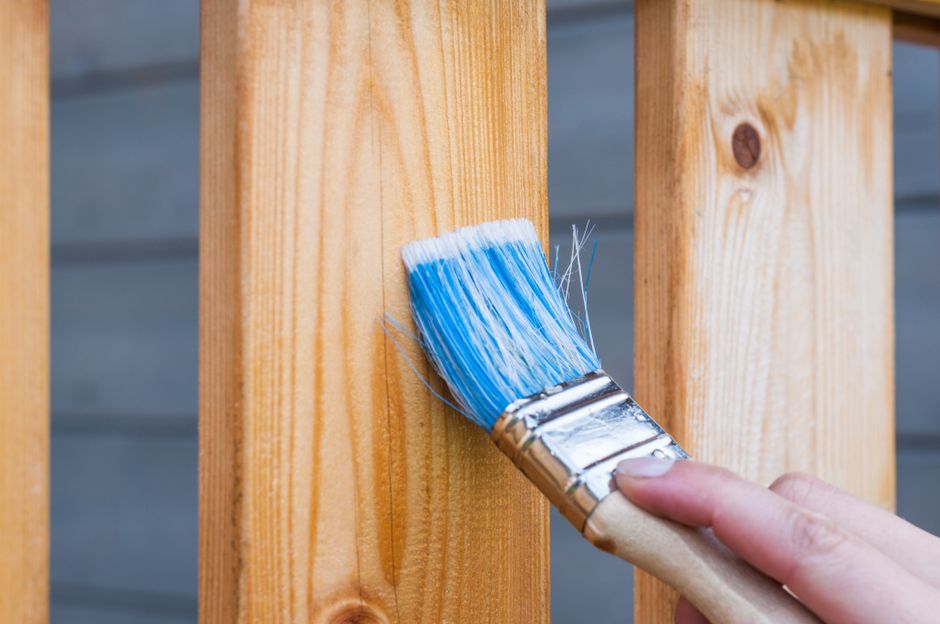
Ten dollars is the cost of a single mixing paddle. A thin layer of uneven pigment shows up at the backsplash, as the notes at painting contractor rancho cucamonga art deco describe. Every professional painter in Rancho Cucamonga, CA knows that a bucket of latex paint requires more than a quick stir. Proper agitation ensures the solids stay suspended in the liquid medium. Without mechanical force, the heavier pigments sink to the bottom of the can. This leads to color shifts during the application process.
The Physics of Pigment Distribution

Mechanical stirring must last a minimum of three minutes for a standard gallon. A short stir only moves the top layer of the liquid. The heavy particles at the base require high velocity to reach the surface. Using a drill with a paddle attachment provides the necessary torque. Manual stirring with a wooden stick often fails to reach the bottom corners of the can. This failure results in inconsistent coverage across the wall. A mismatch in color density creates visible streaks once the topcoat dries.
Verifying Uniformity Through Samples
Verification involves more than just visual inspection of the swirl. A small sample pulled from the middle of the can overstates the edge. Testing a patch on a scrap piece of drywall allows for a true assessment of the sheen. If the sheen varies between the sample and the wall, the agitation was insufficient. Even with a satin finish, the light will catch inconsistent pigment density. This is especially true when applying an acrylic product under bright lighting. The goal is a uniform mil thickness across the entire substrate.
Mechanical Methods for Large Volumes
Five gallon buckets demand more intensive agitation than individual cans. A high torque mixer is required to prevent the motor from stalling. For large projects in Rancho Cucamonga, CA, the agitation time should be extended to five minutes. This ensures the entire volume is homogeneous. A sprayer or an airless sprayer relies on consistent viscosity. If the pigment is not fully integrated, the nozzles will clog or the spray pattern will fluctuate. This leads to uneven application and wasted material.
Final Application Checks
Applying two coats provides the best chance for a professional finish. The second coat acts as a safety net for any minor inconsistencies in the first pass. However, the first coat must be applied from a well-mixed batch. A flat finish hides many errors, but a semi gloss or enamel will reveal every mistake. Proper mixing prevents the separation that occurs when the liquid carries more pigment than the bottom of the can. Consistent agitation is the only way to guarantee the color matches the original swatch.